
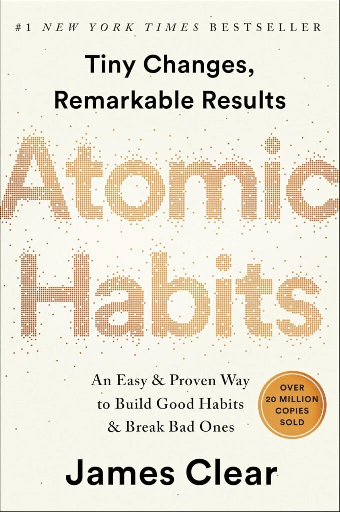
Atomic Habits by James Clear is a groundbreaking book that reveals how tiny changes in our daily routines can lead to remarkable improvements in our lives. Clear explains that small habits, when practiced consistently, compound over time to produce extraordinary results. This book moves beyond traditional goal-setting and focuses on creating effective systems that shape identity and behavior. Below is a detailed summary of each chapter organized by the original parts of the book to help you grasp the key concepts.
Part I: The Fundamentals – Why Tiny Changes Make a Big Difference
Chapter 1 – The Surprising Power of Atomic Habits
James Clear introduces the idea that small, consistent improvements—just 1% better each day—compound dramatically over time. Using the British Cycling team’s marginal gains strategy, he shows real-world proof that tiny habits can deliver huge results decades later. The main message: focus on systems, not goals. Your systems—your daily actions—determine your future, not one-time goals.
Chapter 2 – How Habits Shape Identity (and Vice Versa)
True habit change starts with identity. Clear defines three levels of behavior: outcomes (what you get), processes (how you get it), and identity (who you believe you are). By deciding who you want to become—say, a reader or a runner—and proving it with small consistent actions, you shift your identity. That change makes habits stick.
Chapter 3 – A Simple Four-Step Habit Model
Every habit follows a loop: Cue → Craving → Response → Reward. Clear turns this into the Four Laws of Behavior Change for building good habits (Make it Obvious, Attractive, Easy, and Satisfying) and their inversions for breaking bad habits. Recognizing and redesigning these steps empowers lasting change.
Part II: The 1st Law – Make It Obvious
Chapter 4 – How Awareness Helps Change
Before altering habits, you must track them. Clear recommends a “Habit Scorecard”: writing down daily actions and labeling them good, bad, or neutral. This brings unconscious routines into view. Pointing-and-calling—naming each action out loud—boosts awareness and helps spot where change is needed.
Chapter 5 – Plan and Stack New Habits Easily
Most changes fail because of lack of clarity. Clear advises using implementation intentions (“I will [action] at [time] in [location]”) and habit stacking (“After I X, I will Y”) to anchor new habits to existing routines. These simple structures increase follow-through without relying on motivation.
Part III: The 2nd Law – Make It Attractive
Chapter 6 – Environment Beats Willpower
Motivation is unreliable. Instead, design your surroundings to support good habits. Leave fruit where you see it, hide distractions, or create new routines in a new environment to avoid old cues. Small context changes make habit change feel effortless.
Chapter 7 – Focus Less on Self-Control
Self-control is limited. Rather than pushing through temptation, remove it entirely. Create barriers to bad habits and automate good choices. This makes discipline less about willpower and more about design.
Chapter 8 – Make Habits Attractive
Increase motivation by pairing habits with things you enjoy using temptation bundling—listen to a podcast only when working out, for example. Positive anticipation (dopamine-driven) makes habits feel inviting instead of forced.
Chapter 9 – Leverage Social Influence
Culture shapes behavior. Joining groups where good habits are the norm makes healthy behavior feel natural. This tribe-based reinforcement supports lasting change. Social belonging is a powerful lever in creating and sustaining habits.
Part IV: The 3rd Law – Make It Easy
Chapter 10 – Make Bad Habits Unattractive
To break a bad habit, change how you perceive it. Reflect on its long‑term costs, add motivation rituals, and contextualize the behavior so it no longer feels rewarding. Understanding cravings and reframing the habit helps dissolve its appeal.
Chapter 11 – Action Beats Motion
Planning is good—but action counts more. Clear warns against “motion” (overplanning) and urges starting even imperfectly. Frequency builds automaticity over perfection. Consistent doing is what moves you forward.
Chapter 12 – Reduce Friction (Least Effort Wins)
Humans prefer ease. Make good habits easier to start and bad habits harder to perform. Lay out workout clothes the night before or block distracting apps. Friction control is key to consistency.
Chapter 13 – The Two-Minute Start Rule
New habits should begin in under two minutes—making the start feel trivial. Reading one page, writing one sentence. This lowers resistance and keeps you in the game until momentum builds.
Part V: The 4th Law – Make It Satisfying
Chapter 14 – Commit to Avoid Backsliding
Use commitment devices—prepaid classes, locked apps, or contracts—to make bad habits harder to restart. Build systems that automate positive choices so discipline isn’t optional.
Chapter 15 – Make Good Habits Feel Good
Behavior change follows pleasure. Add immediate, simple rewards—tracking progress, small treats—to make good habits feel satisfying right away. That triggers dopamine and strengthens the loop.
Chapter 16 – Don’t Miss Twice
Missing once is okay. Missing twice in a row often starts a bad new habit. Use habit trackers to maintain streaks and stay honest about progress. Slip‑ups won’t define you unless you stop trying.
Chapter 17 – Build Accountability
Accountability partners or habit contracts raise the stakes. Define consequences for missing habits (often financial) to help maintain consistency. Shared responsibility makes habits more lasting.
Part VI: Advanced Tactics
Chapter 18 – Talent vs. Habit
Genetics play a role, but habits matter more. Success comes from aligning routines with natural strengths—not chasing others’ paths. Focus on deliberate practice and consistent habits.
Chapter 19 – The Goldilocks Zone
Challenge matters. Tasks that are just beyond your current ability keep you engaged (flow state). Too easy = boredom; too hard = discouragement. Aim for the sweet spot.
Chapter 20 – The Downside of Habits
Even good habits can become limiting or mindless. Periodic review ensures alignment with your identity. Avoid rigid identity traps and grow intentionally.
✨ Book’s Key Messages
- Small changes add up—tiny steps done consistently beat occasional big efforts.
- Identity shapes habits—start by becoming someone, not achieving something.
- Design your environment—make good habits obvious, bad ones hidden.
- Make habits easy and satisfying—reduce friction, add reward.
- Stay consistent with systems—repetition, community, accountability matter.
These ideas shift your life from chasing outcomes to living as the person you want to become.
Summary
If you want lasting self-discipline, don’t wait for motivation. Build better habits through identity, environment, and tiny wins. Atomic Habits offers a practical and compassionate framework to make discipline less about willpower and more about your daily design. Use these chapter insights to start small, stick with it, and watch your path unfold.