
Introduction: Why This Book Still Matters Today
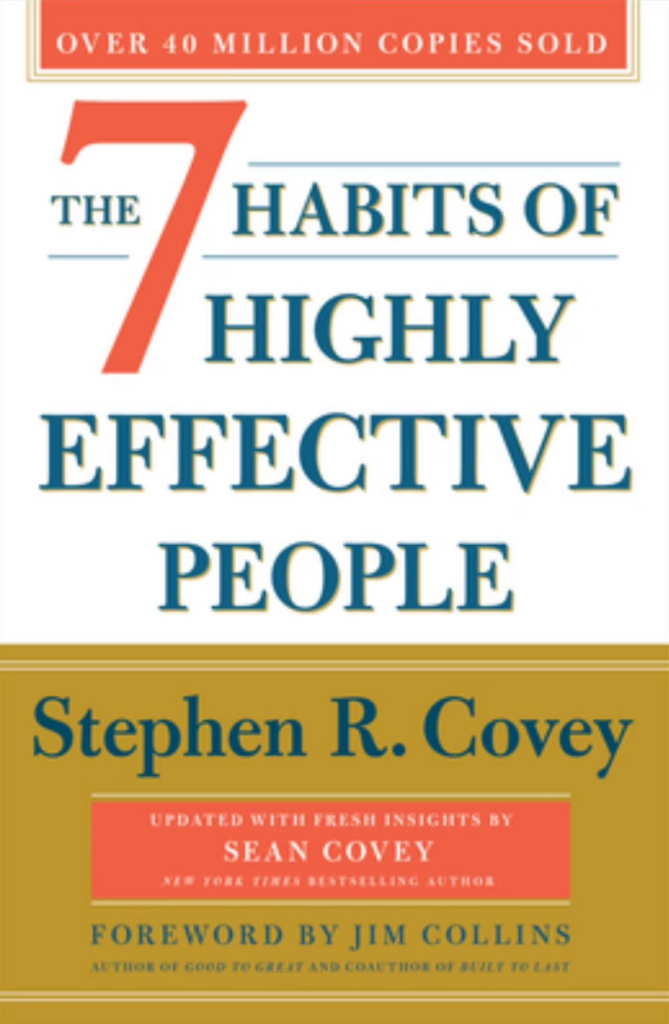
Published in 1989, The 7 Habits of Highly Effective People quickly became one of the most influential personal development books ever written. Even decades later, its ideas remain relevant for people who want to improve their productivity, leadership, and personal relationships. The book does not promise quick success or instant results. Instead, it teaches a principle-centered approach to living a meaningful and effective life.
Many people search for shortcuts to success. They want productivity tricks, motivation hacks, or simple formulas that will instantly transform their lives. However, Stephen R. Covey argues that real success comes from deeper changes in character and mindset. According to Covey, effectiveness begins with how we think about ourselves, our goals, and our responsibilities.
The core message of the book is that lasting success is built on strong principles and consistent habits. By developing the right habits, individuals can improve not only their productivity but also their relationships and overall life satisfaction. These habits are not complicated, but they require discipline and commitment.
Covey organizes the book around seven powerful habits that help people move from dependence to independence and eventually to interdependence. Each habit builds on the previous one, forming a system for long-term personal growth.
Habit 1: Be Proactive
The first habit, Be Proactive, focuses on taking responsibility for your life. Many people blame their circumstances, environment, or other people for their problems. They feel powerless to change their situation because they believe external forces control their lives.
Covey challenges this mindset. He explains that proactive people understand they always have a choice in how they respond to events. While we cannot control everything that happens to us, we can control our reactions and decisions. This shift in thinking is the first step toward personal effectiveness.
Proactive individuals focus on what Covey calls their “circle of influence.” Instead of worrying about things they cannot control, they invest energy in areas where they can make a difference. Over time, this focus expands their influence and ability to create positive change.
Reactive people, on the other hand, often waste energy complaining about problems or blaming others. This behavior does not improve their situation and often leads to frustration and stress. Proactive people choose action instead of excuses.
By practicing proactivity, individuals begin to take ownership of their goals, habits, and behavior. This sense of responsibility creates the foundation for all the other habits in the book.
Habit 2: Begin With the End in Mind
The second habit encourages people to think about their long-term vision before taking action. Begin With the End in Mind means understanding what you truly want to achieve in life and making decisions that align with those goals.
Covey suggests imagining your own funeral as a thought experiment. What would you want family members, friends, and colleagues to say about you? What kind of person would you want to be remembered as? This exercise helps clarify the values and priorities that matter most.
Many people live their lives without a clear direction. They focus on daily tasks and short-term responsibilities but rarely stop to consider the bigger picture. As a result, they may achieve success in certain areas but still feel unfulfilled.
Creating a personal mission statement is one way to apply this habit. A mission statement describes your core values, goals, and the kind of life you want to live. It acts as a compass that guides your decisions and actions.
When people begin with the end in mind, they avoid spending time on activities that do not align with their long-term purpose. Instead, they focus on meaningful work that brings them closer to their vision.
Habit 3: Put First Things First
The third habit focuses on time management and prioritization. Put First Things First means organizing your life around the most important tasks rather than the most urgent ones.
Covey introduces the idea of a time management matrix with four categories:
- Urgent and important
- Important but not urgent
- Urgent but not important
- Neither urgent nor important
Highly effective people spend most of their time on activities that are important but not urgent. These activities include planning, building relationships, personal development, and long-term projects.
Unfortunately, many people spend most of their time dealing with urgent tasks such as emails, meetings, and deadlines. While these tasks may seem important, they often prevent individuals from focusing on meaningful goals.
Learning to prioritize important activities requires discipline. It often means saying no to distractions and low-value tasks. However, this shift allows people to make steady progress toward their most important objectives.
When individuals consistently put first things first, they gain control over their schedule and reduce stress caused by constant urgency.
Habit 4: Think Win-Win
The fourth habit shifts focus from personal success to successful relationships. Think Win-Win is about creating solutions where everyone benefits instead of competing for limited rewards.
In many situations, people approach interactions with a win-lose mentality. They believe that for them to succeed, someone else must lose. This mindset can create conflict, distrust, and unhealthy competition.
Covey argues that the most effective relationships are based on mutual benefit. A win-win approach seeks solutions that satisfy both parties. Instead of focusing on personal gain, individuals look for outcomes that strengthen cooperation and trust.
This mindset is especially valuable in professional environments. Teams that practice win-win thinking are more collaborative and productive. They support each other’s success rather than compete against each other.
Developing a win-win mentality requires confidence and empathy. People must believe they deserve success while also respecting the needs and perspectives of others.
When practiced consistently, this habit builds stronger partnerships and more positive relationships.
Habit 5: Seek First to Understand, Then to Be Understood
The fifth habit focuses on one of the most important skills in human relationships: communication. According to Stephen R. Covey, most people listen with the intention of replying rather than truly understanding. While someone else is speaking, they are already preparing their response or thinking about their own perspective. As a result, real understanding rarely happens.
Covey argues that effective communication begins with empathy. Instead of immediately expressing our opinions, we should first try to understand the other person’s thoughts, emotions, and motivations. This process requires patience and genuine curiosity. When people feel understood, they are much more open to hearing other viewpoints.
Empathic listening goes beyond simply hearing words. It involves paying attention to tone, body language, and emotional context. By listening carefully, we can discover the deeper concerns or needs behind what someone is saying. This type of listening builds trust and strengthens relationships.
Once understanding has been achieved, the second part of the habit becomes important: being understood. When you communicate your ideas after genuinely listening to others, your message is more likely to be respected and accepted. People are more willing to consider your perspective because they feel valued and heard.
In both personal and professional settings, this habit dramatically improves communication. Conflicts become easier to resolve, cooperation increases, and relationships become more meaningful.
Habit 6: Synergize
The sixth habit, Synergize, focuses on the power of collaboration. Synergy occurs when people work together in a way that produces results greater than what any individual could achieve alone. Instead of competing or simply compromising, synergy creates new solutions that benefit everyone involved.
Many people struggle with differences in opinion, background, or personality. These differences can sometimes lead to conflict or misunderstanding. However, Stephen R. Covey argues that diversity is actually a powerful advantage. When individuals with different perspectives collaborate effectively, they generate creative ideas and innovative solutions.
Synergy requires open-mindedness and respect. People must be willing to listen to ideas that differ from their own. Instead of trying to prove they are right, they focus on discovering better solutions together. This mindset allows teams to move beyond simple compromise.
Compromise often means each side gives up something. Synergy, however, means creating something entirely new that satisfies everyone’s needs. This approach leads to stronger teamwork and more effective problem-solving.
Organizations that embrace synergy tend to be more innovative and adaptable. Teams that trust and respect each other can overcome challenges more easily. By combining strengths, individuals can achieve far more than they could on their own.
Habit 7: Sharpen the Saw
The seventh habit focuses on renewal and continuous improvement. Covey uses the metaphor of sharpening a saw to explain the importance of maintaining your personal effectiveness. If someone spends all their time cutting wood with a dull saw, they will eventually become exhausted and inefficient. However, if they take time to sharpen the blade, their work becomes easier and more productive.
In the same way, people need regular renewal in four important areas of life: physical, mental, emotional, and spiritual. Neglecting any of these areas can reduce energy, focus, and overall well-being.
Physical renewal includes activities such as exercise, proper nutrition, and adequate rest. Maintaining good physical health helps individuals stay energized and productive throughout the day.
Mental renewal involves continuous learning and intellectual development. Reading, studying new skills, and exploring new ideas keep the mind active and adaptable. This growth allows individuals to stay competitive and creative.
Emotional and social renewal focuses on building strong relationships and maintaining a healthy emotional state. Spending time with family, friends, and supportive communities strengthens emotional resilience.
Finally, spiritual renewal relates to personal values, purpose, and inner peace. This can involve reflection, meditation, prayer, or time spent thinking about what truly matters in life.
By regularly “sharpening the saw,” individuals maintain the balance and energy needed to practice all the other habits effectively.
The Overall Framework of the 7 Habits
One of the reasons The 7 Habits of Highly Effective People has remained so influential is that the habits are not random pieces of advice. Instead, Stephen R. Covey designed them as a structured system for personal development. Each habit builds on the previous one and gradually moves a person toward greater effectiveness in both personal and professional life.
The framework is divided into three major stages of growth. These stages represent the journey from dependence to independence and finally to interdependence. Rather than focusing only on productivity or career success, the system emphasizes balanced development across personal responsibility, relationships, and continuous improvement.
The first three habits focus on personal victory, which means gaining control over your own life. Before someone can effectively work with others, they must first develop discipline, responsibility, and clear priorities. Habits 1, 2, and 3 help individuals build these essential qualities.
The next three habits focus on public victory, which involves building strong relationships and effective collaboration. Habits 4, 5, and 6 teach individuals how to communicate, cooperate, and create mutually beneficial solutions with others.
Finally, Habit 7 acts as a foundation that supports all the other habits. By regularly renewing physical, mental, emotional, and spiritual energy, individuals maintain the strength needed to practice the other habits consistently.
This structured framework transforms the book from a simple list of tips into a complete philosophy for living effectively.
How the Habits Move People From Dependence to Independence to Interdependence
A central concept in The 7 Habits of Highly Effective People is the idea of personal maturity. Covey explains that people grow through three stages of development: dependence, independence, and interdependence.
Dependence is the stage where people rely heavily on others to solve their problems or provide direction. In this stage, individuals often blame circumstances or other people for their situation. They may feel powerless because they believe their lives are controlled by external forces.
Independence represents the ability to take responsibility for one’s own actions and decisions. People at this stage understand that their choices shape their future. They develop discipline, set clear goals, and manage their time effectively. Habits 1, 2, and 3 help individuals reach this level of self-management.
However, Covey argues that independence is not the final goal. The highest level of effectiveness is interdependence, where people cooperate and achieve results together. In this stage, individuals combine their strengths with others to create outcomes that would not be possible alone.
Habits 4, 5, and 6 support this transition to interdependence. By practicing win-win thinking, empathic communication, and creative collaboration, individuals become more effective in teams, organizations, and communities.
This progression from dependence to interdependence reflects real personal growth. It shows that true success involves both self-mastery and strong relationships.
Practical Ways to Apply the 7 Habits in Everyday Life
Although the ideas in The 7 Habits of Highly Effective People are philosophical, they are also highly practical. The habits can be applied in many everyday situations, from work and school to family life.
One simple way to practice Habit 1, Be Proactive, is by focusing on actions within your control. Instead of complaining about problems, ask yourself what small step you can take to improve the situation.
Habit 2, Begin With the End in Mind, can be applied by creating a personal mission statement. Writing down your values and long-term goals helps ensure that daily decisions align with what matters most.
Habit 3, Put First Things First, becomes easier when you plan your week around important tasks rather than reacting to urgent distractions. Scheduling time for meaningful work and personal development helps maintain long-term progress.
To practice Habit 4, Think Win-Win, look for solutions where everyone benefits instead of approaching situations as competitions. This mindset improves teamwork and builds stronger relationships.
Habit 5, Seek First to Understand, Then to Be Understood, can be practiced by listening carefully during conversations. Instead of interrupting or immediately offering advice, try to fully understand the other person’s perspective.
Habit 6, Synergize, encourages collaboration and creative problem-solving. When working with others, appreciate different viewpoints and combine ideas to create better solutions.
Finally, Habit 7, Sharpen the Saw, reminds people to regularly invest in personal well-being. Exercising, reading, learning new skills, and maintaining strong relationships help sustain long-term effectiveness.
By applying these habits gradually, individuals can make steady improvements in many areas of life.
Why The 7 Habits of Highly Effective People Remains One of the Most Influential Self-Development Books
Since its publication, The 7 Habits of Highly Effective People has sold millions of copies worldwide and has been translated into dozens of languages. Its continued popularity can be explained by several important factors.
First, the book focuses on timeless principles rather than temporary trends. Many self-development books promise quick results through simple hacks or shortcuts. In contrast, Covey’s approach emphasizes character, integrity, and long-term growth.
Second, the book provides a clear structure that readers can follow step by step. The progression from personal responsibility to effective collaboration makes the ideas easy to understand and apply.
Another reason for the book’s influence is its balance between philosophy and practicality. The concepts encourage deep reflection while also offering practical tools for everyday life. This combination allows readers from different backgrounds to benefit from the ideas.
Finally, the book addresses both personal success and meaningful relationships. Many people discover that productivity alone does not create a fulfilling life. Covey’s framework shows how effectiveness involves both achieving goals and building strong connections with others.
Because of these qualities, the book continues to inspire leaders, students, entrepreneurs, and professionals around the world.