
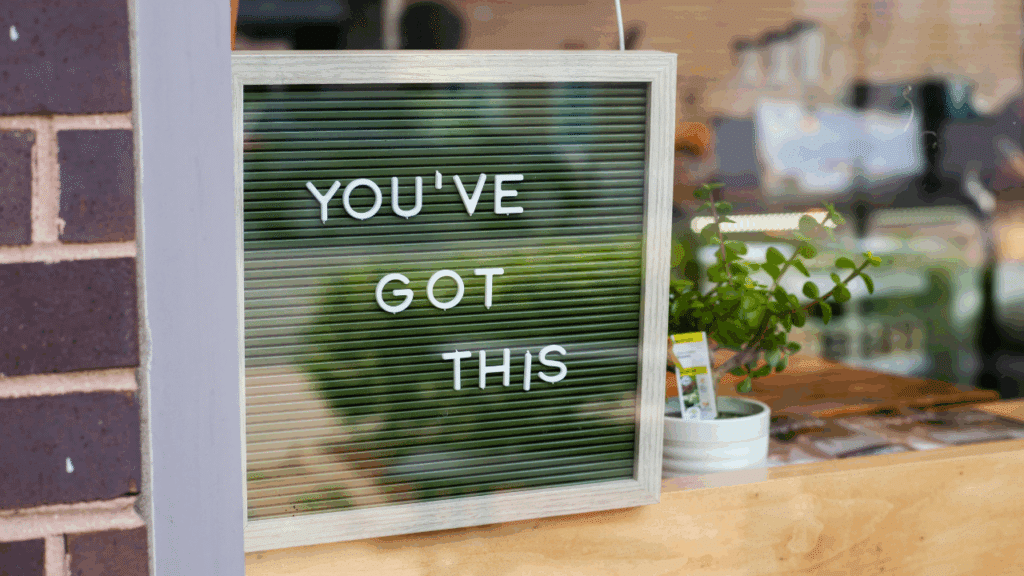
Hard times come for everyone. Life isn’t always smooth, and sometimes it feels like everything is against you. Bills pile up, relationships get complicated, or work feels overwhelming. In those moments, staying positive and motivated can seem impossible. Yet, it’s exactly during these difficult times that a strong mindset can make the difference between sinking under pressure or rising above it. Motivation isn’t about pretending everything is fine—it’s about finding ways to move forward, even when circumstances are tough.
Accept the Situation Without Judgment
When facing challenges, the first step is acceptance. Accepting a situation doesn’t mean giving up. It means acknowledging reality and stopping the cycle of frustration and blame. According to experts at Harvard Health, acceptance reduces stress and frees mental energy. This allows focus on solutions rather than dwelling on problems. Thinking clearly in hard times is crucial. Often, just admitting “this is hard, but I can handle it” is enough to ease the mind and open the door to action.
Focus on What You Can Control
During difficult periods, it’s easy to get caught in things that are out of your control. But energy spent worrying about the uncontrollable only increases anxiety. Instead, focus on what you can change. Maybe it’s your attitude, your daily habits, or the small steps toward a goal. This approach is backed by research on resilience from the CDC and WHO, which shows that concentrating on controllable actions increases a sense of empowerment and motivation.
Keep a Daily Routine
Routine is a secret weapon in staying motivated during hard times. A consistent daily schedule creates stability when life feels chaotic. It doesn’t need to be rigid or overwhelming. Even simple routines—waking up at the same time, eating breakfast, taking a short walk—can provide structure. Structure gives a sense of progress, even when bigger challenges seem unsolvable. Napoleon Hill once said, “Don’t wait. The time will never be just right.” Small routines build momentum that leads to motivation.
Practice Gratitude
Gratitude is more than a feel-good concept. It rewires the brain to focus on what’s going well, even during adversity. Journaling three things you are grateful for each day improves mood and resilience, says research from Harvard Health. This doesn’t mean ignoring difficulties. It simply means acknowledging that amidst struggle, positive aspects still exist. Gratitude creates a foundation for motivation, reminding you that not everything is lost and that progress, however small, is happening.
Break Goals into Small Steps
Big problems can feel overwhelming. Motivation drops when goals seem too far away or impossible. Breaking goals into smaller, manageable steps helps maintain momentum. Completing even a small task releases dopamine, the brain chemical that boosts drive and positivity. The American Psychological Association notes that small achievements improve mood and reinforce productive habits. This approach keeps motivation alive, even on the toughest days.
Surround Yourself With Positive Influence
People you spend time with affect your mindset. During hard times, connecting with supportive and positive people can lift spirits and fuel motivation. Avoid negative influences that amplify stress or self-doubt. Sometimes, even a short conversation with a friend who understands can make a huge difference. Social support is scientifically proven to improve resilience, emotional health, and drive, according to multiple studies.
Move Your Body
Exercise is more than fitness—it’s a natural stress reliever and motivation booster. Physical activity releases endorphins and helps regulate mood. A simple walk, stretching, or a short workout can make a surprisingly big difference in energy and perspective. Harvard Health highlights that regular activity improves mental health and clarity, making it easier to face challenges. Movement doesn’t just strengthen the body; it strengthens resolve.
Use Positive Self-Talk
Hard times often come with negative inner dialogue. Thoughts like “I can’t do this” or “Everything is falling apart” undermine motivation. Replace them with constructive statements: “I am capable of handling this,” or “This challenge is temporary, and I can grow from it.” Cognitive behavioral research shows that positive self-talk improves problem-solving, reduces stress, and increases perseverance. Words shape thoughts, and thoughts shape actions.
Take Breaks and Recharge
Motivation isn’t about nonstop effort. Even during hardship, rest is essential. Mental fatigue and stress lower resilience and productivity. Short breaks, deep breathing, or listening to calming music can restore energy. The CDC notes that adequate rest and relaxation improve both physical and emotional health, which strengthens motivation. Balance is key—push too hard, and burnout becomes a risk.
Find Meaning in Struggles
Many people find that difficult periods teach important lessons. Viktor Frankl, in his book Man’s Search for Meaning, emphasizes that finding purpose even in suffering leads to resilience and motivation. Ask yourself: “What can I learn from this? How can I grow?” Hard times become a teacher when approached with curiosity and reflection. Purpose fuels motivation when life feels heavy.
Celebrate Small Wins
Even tiny progress deserves recognition. Checking off a small task, reaching a minor milestone, or simply handling a tough conversation counts. These small wins trigger motivation and remind you that effort produces results. Harvard Health notes that celebrating accomplishments, no matter how small, reinforces behavior and encourages persistence. Motivation grows when progress is visible.
Limit Negative Inputs
During challenging times, negative media, toxic conversations, or pessimistic thoughts can drag motivation down. Limit exposure to things that intensify fear, worry, or sadness. Instead, focus on constructive information, inspirational stories, or practical solutions. Controlling what enters your mind protects your energy and supports positive action.
Keep Perspective
Hard times feel intense in the moment, but they are usually temporary. Remind yourself that difficulties pass and challenges often lead to growth. Perspective helps reduce stress and improves problem-solving, both of which strengthen motivation. Sometimes just a mental shift, thinking “This is tough, but I can handle it,” is enough to ignite action.
Stay Connected to Goals and Values
Motivation thrives when actions align with core values and long-term goals. Revisit what truly matters and why you’re working toward it. Even small efforts become meaningful when linked to bigger purposes. This connection fuels persistence and helps maintain optimism, even when external circumstances feel discouraging.
Embrace Adaptability
Life rarely goes exactly as planned. Being flexible and adapting to change strengthens motivation. Resistance to change creates frustration, while openness fosters solutions. Adaptability doesn’t mean giving up—it means navigating challenges creatively and maintaining momentum despite setbacks. Studies show that resilient, adaptable individuals recover faster from adversity and sustain motivation longer.
Seek Inspiration Daily
Daily doses of inspiration—quotes, short videos, stories of overcoming obstacles—can lift mood and motivation. Winston Churchill once said, “If you’re going through hell, keep going.” Motivation often comes from external reminders that struggle is temporary and effort pays off. Inspiration is fuel that keeps the fire alive during hard times.
Keep a Positive Mindset Practice
Building a positive mindset is ongoing. Meditation, journaling, affirmations, and reflection all contribute to long-term resilience and motivation. Research from Harvard Health suggests that consistent mindfulness and positivity practices reduce stress and enhance mental clarity. Motivation is easier to sustain when a positive mindset becomes a habit rather than a reaction.
Accept Help When Needed
It’s okay to ask for help. Hard times aren’t a solo journey. Whether it’s professional guidance, mentorship, or simply a friend’s support, reaching out can restore perspective and motivation. Strength comes from knowing when to lean on others without losing independence or agency.
Final Thoughts
Staying positive and motivated during hard times is about mindset, habits, and action. Acceptance, focus on controllable actions, small wins, positive support, and meaningful routines all combine to create resilience. Motivation isn’t about ignoring difficulties; it’s about moving forward despite them. Life challenges everyone, but with the right mindset and strategies, even the hardest moments can become stepping stones to growth, strength, and future success.